
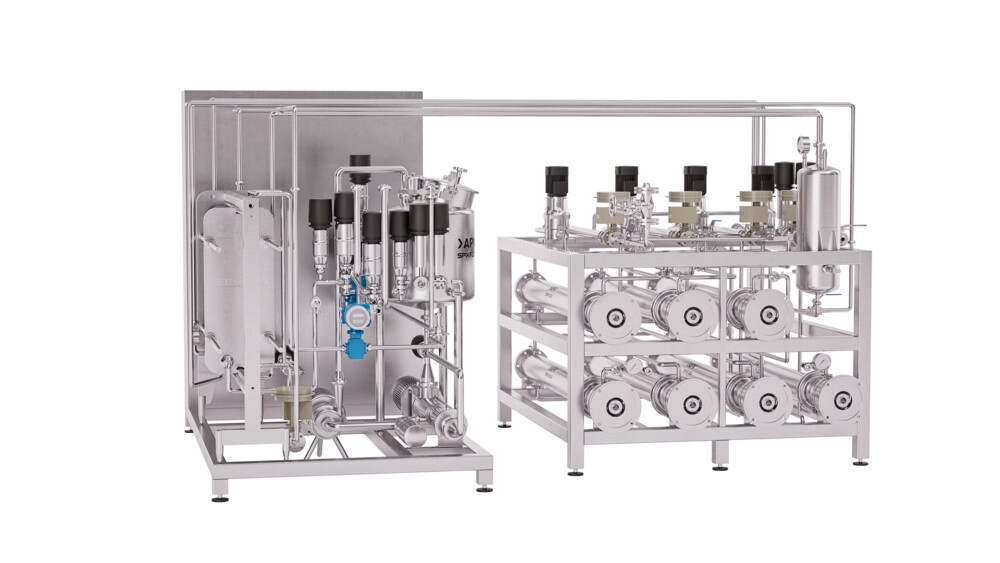
Turn Whey Proteins into Functional Ingredients
Create high-protein, reduced-fat and clean-label products with the texture, stability and mouthfeel your customers value. APV microparticulation systems use controlled heat and mechanical energy to functionalize whey proteins for specific product requirements. By tailoring particle characteristics, producers can improve product performance, reduce reliance on stabilizers and create more value from whey streams.
Why Producers Choose APV
For decades, APV has helped dairy producers improve protein functionality and develop new products. This experience spans whey processing, dairy ingredients, nutritional beverages, fermented products, cheese and frozen desserts.
Our support can begin with formulation and process trials at an APV Innovation Center and continue through system design, integration and commissioning. Once production begins, lifecycle services, OEM spare parts, training and process optimization help maintain performance as requirements change. APV LeanCreme™ and Cavimaster™ systems can be integrated with upstream whey processing and downstream production lines. This complete-process perspective helps align protein functionality, product quality, resource utilization and long-term production performance.
Applications
Advanced technologies for efficient, safe, and consistent cheese production.
Dairy IngredientsDairy ingredient processing systems for efficient production, quality, and scalability.
Ice CreamIce cream processing systems for smooth texture, consistency, and production efficiency.
YogurtYogurt processing systems for consistent texture, fermentation control, and product quality.
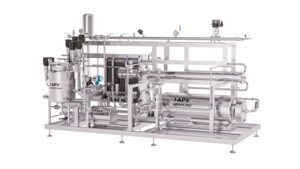 Cavimaster Systems
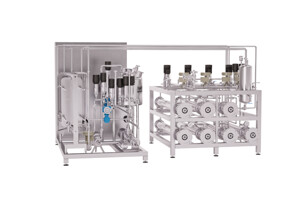 Leancreme Systems
Knowledge Center
 High-Protein Yogurt Production
Real-world application improving high-protein yogurt production efficiency.
 Whey Stream Optimization for Functional Ingredient Development
Discover how advanced whey processing strategies help maximize ingredient recovery, create value-added products and improve process efficiency.
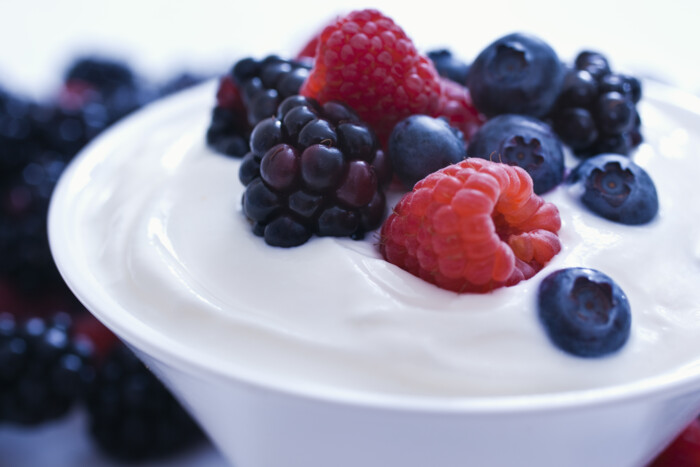 Turning Whey Into Value with Microparticulation
Microparticulation transforms whey into functional proteins for texture and stability.
 5 Tips for Creating Healthier Ice Cream That Still Feels Like a Treat
Tips to create healthier ice cream with improved texture, taste, and reduced fat.